What it means to be a clam ✊
In a collective “Clam Chat” that reflects the unity of RUBC, all members were asked to contribute to this article of what it means to be a “Clam”.
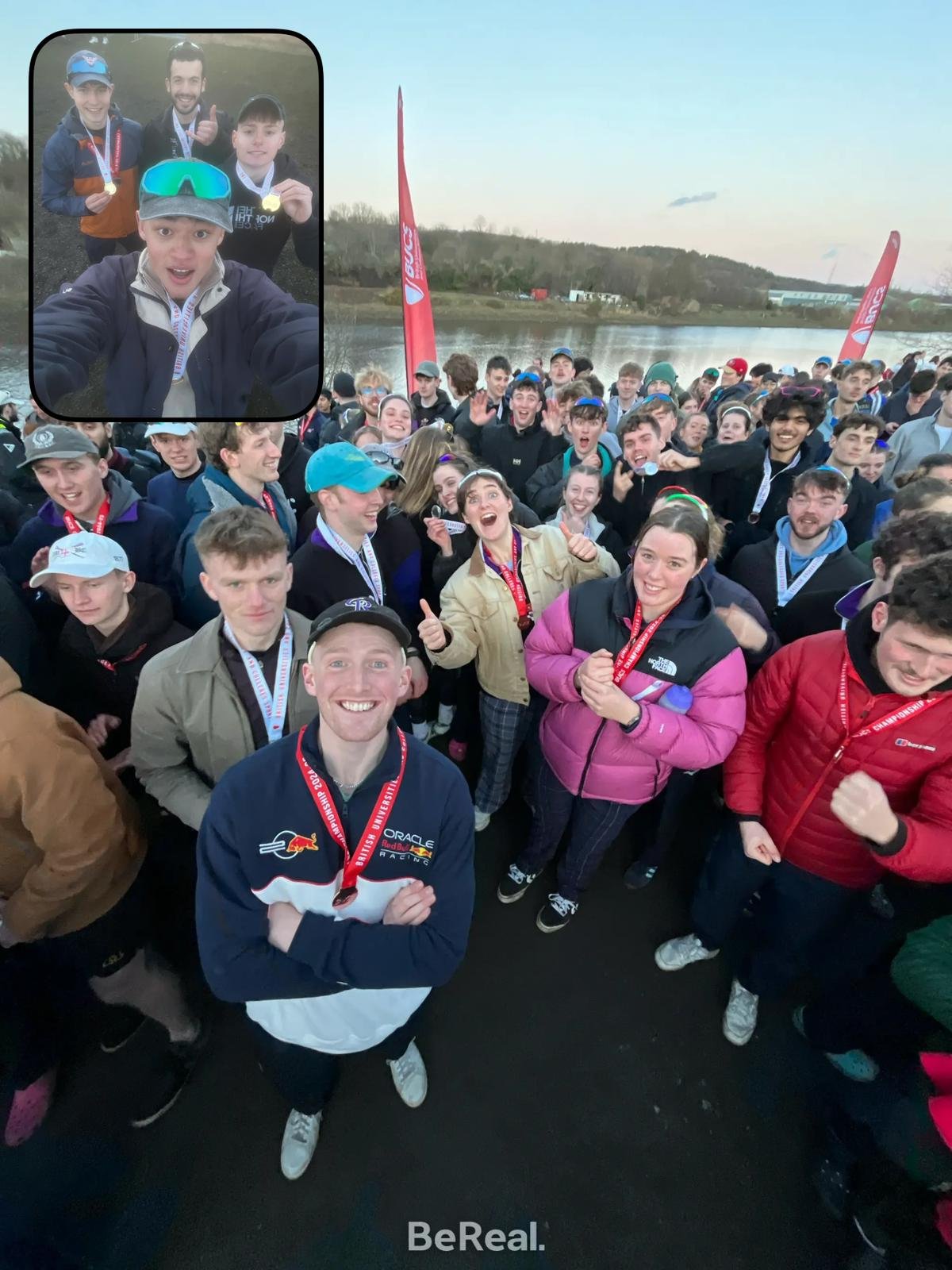
Successful RUBC clams
Why do you have a shell as a mascot?
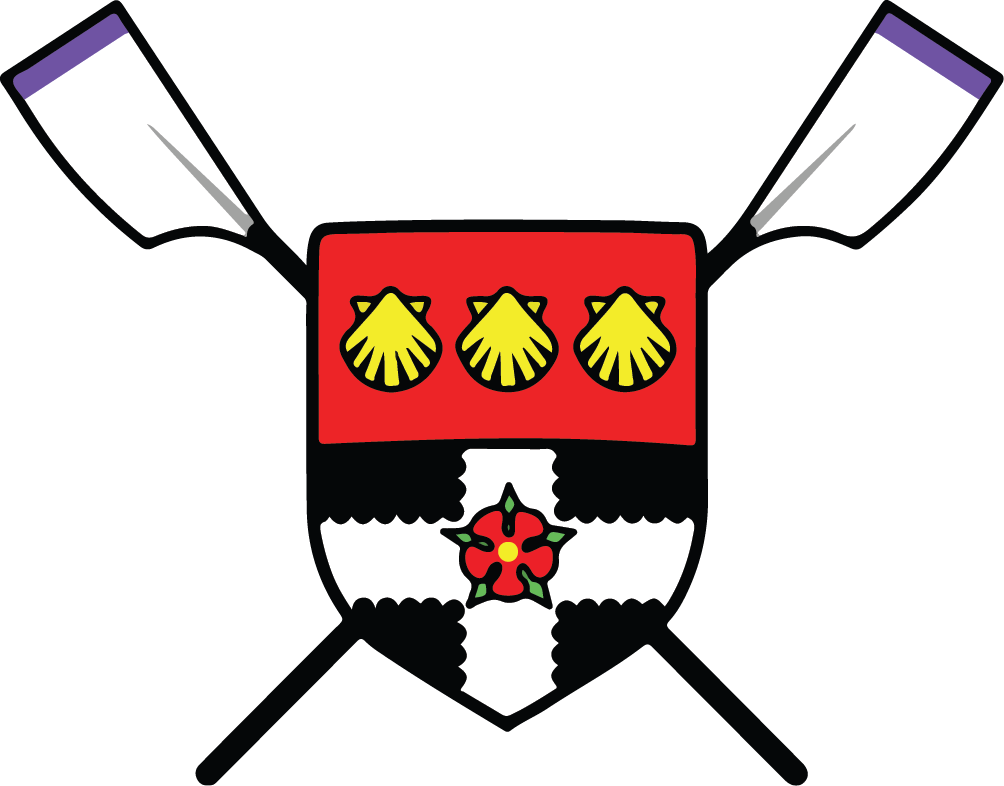
The University of Reading crest has a major thing for shells. Specifically, those three shells (which are technically scallops, but who's counting?) come straight from the old Reading Abbey coat of arms. They're basically a nod to the fact that the university's very first college was set up in a building that was part of the Abbey site.
Also, the scallop shell is a classic pilgrim's symbol. That might also be a wink to the Palmer family—you know, the famous folks from Huntley & Palmers biscuits! They were huge benefactors, co-founders, and even donated the land for the boathouse.
The 'Clam' is such a distinctive mascot RUBC. Could you tell us, from the athletes' perspective, what exactly does being a 'Clam' mean?
At its core, being a 'Clam' is about community and support. The club is one "big family who look out for each other". It's an identity that allows us to connect with anyone else who calls themselves a Clam. We see it as being part of a group that proves you can achieve great results while still having a good time. It's also strongly tied to values like inclusivity, kindness, and dedication.
It sounds like it’s much more than just a mascot. How does the term— or perhaps even the Clam sign ✊—function for them in practice, especially during a race?
It’s a powerful tool for generating comradery and positive vibes. Saying "Go Clams" often brings a smile to peoples faces, even on a tough day of training or racing.
But during a scary race or trials, it becomes a symbol of safety and reassurance. When someone yells, "Go Clams," it reminds the athlete that they have a "whole squad behind you supporting you". It’s a reminder of who they are outside of their individual performance.
We use the 'Clam sign' ✊ as a kind of non-verbal shorthand. It's a "neurodiverse friendly way of communicating" support, allowing people to say things like, "I support you," or "let's get through this together" without needing to speak.
Why is the image of a Clam—which, let's be honest, is a bit unusual—such a perfect fit for RUBC's character?
That's the best part! It's so distinctly RUBC. The Clam is seen as very unthreatening and almost comical, which the athletes feel perfectly encapsulates their character. They see themselves as a diverse collection of individual personalities, and the novelty of the mascot represents that. It shows we"don’t take ourselves too seriously".
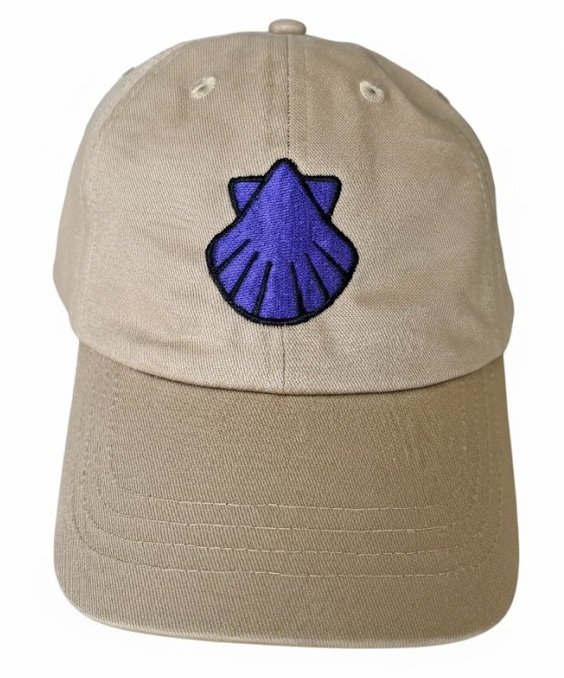
RUBC clam cap
It carries a fantastic metaphor, too: the idea of the clam hiding a 'pearl' or 'magic' underneath an unassuming exterior. The team isn't aggressive ; they do their hard work "behind the scenes". They're only threatening when it comes to racing , which shows you that despite the silly mascot, they are a high-achieving community. This openness to all people, regardless of background, is something they find quite unique to RUBC.
Finally, how does this identity translate into a feeling of connection and solidarity among the group as a whole?
It creates an incredibly strong sense of solidarity. The Clam identity helps define them further from other high-performing clubs. It hones in on the fact that we are "one unit," all trying to do our best knowing we have each other's backs.
We genuinely believe that individual success is only a small part of the overall team success. When one person succeeds, it's a whole team success because it means the culture is working how it's supposed to. The Clam is something we "wear together" during races and training, fostering that collective, connected team both on and off the water.
In short, the Clam summarises everything they want to be: a supportive, welcoming, hard-working, and highly successful boat club.

RUBC crew bonding, and in the boathouse in the back ground you can see the shells on the University crest.
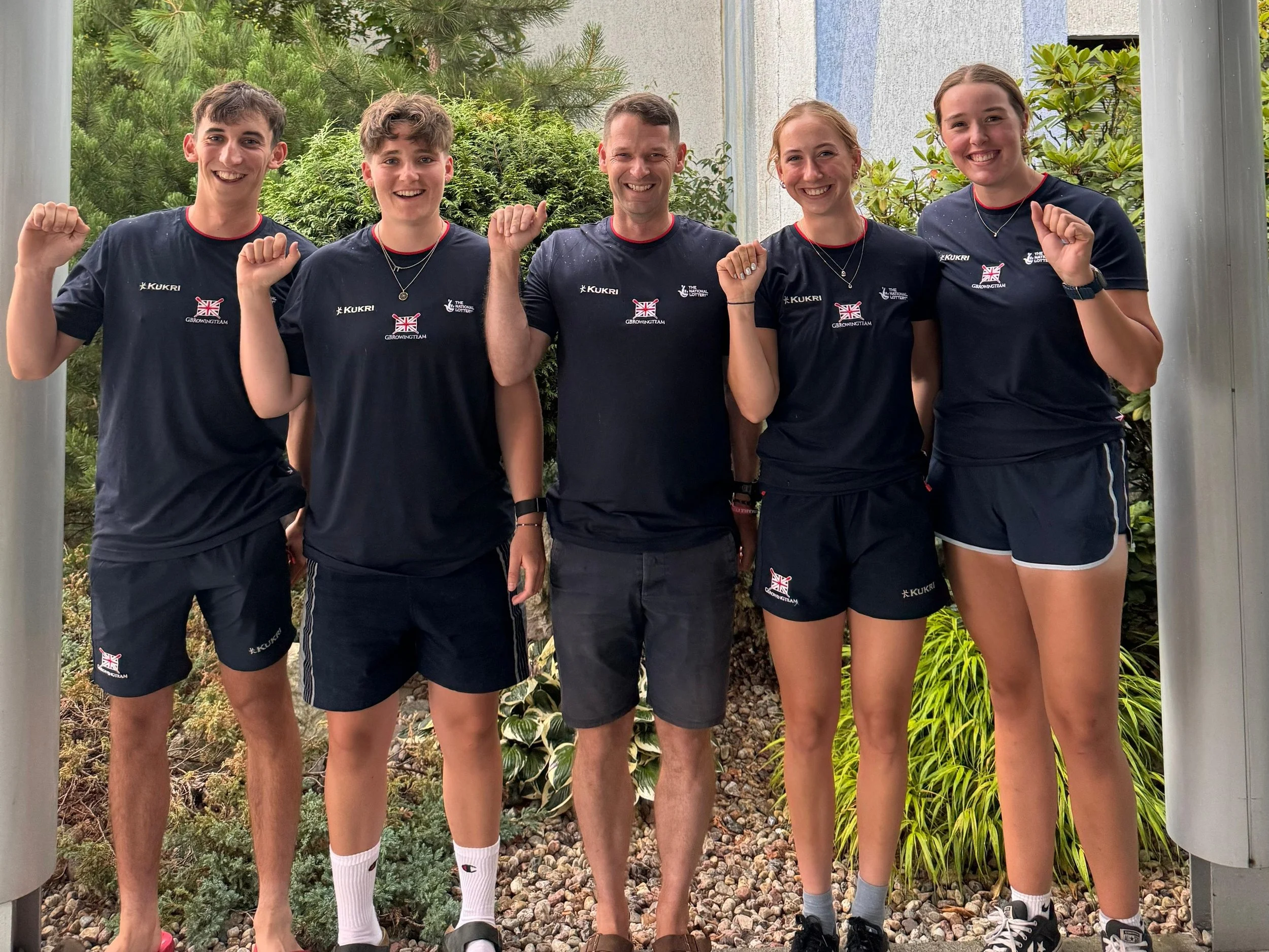
The 'Clam sign' ✊ is a kind of non-verbal shorthand of unity, allowing people to say things like, "I support you," or "let's get through this together" without needing to speak.